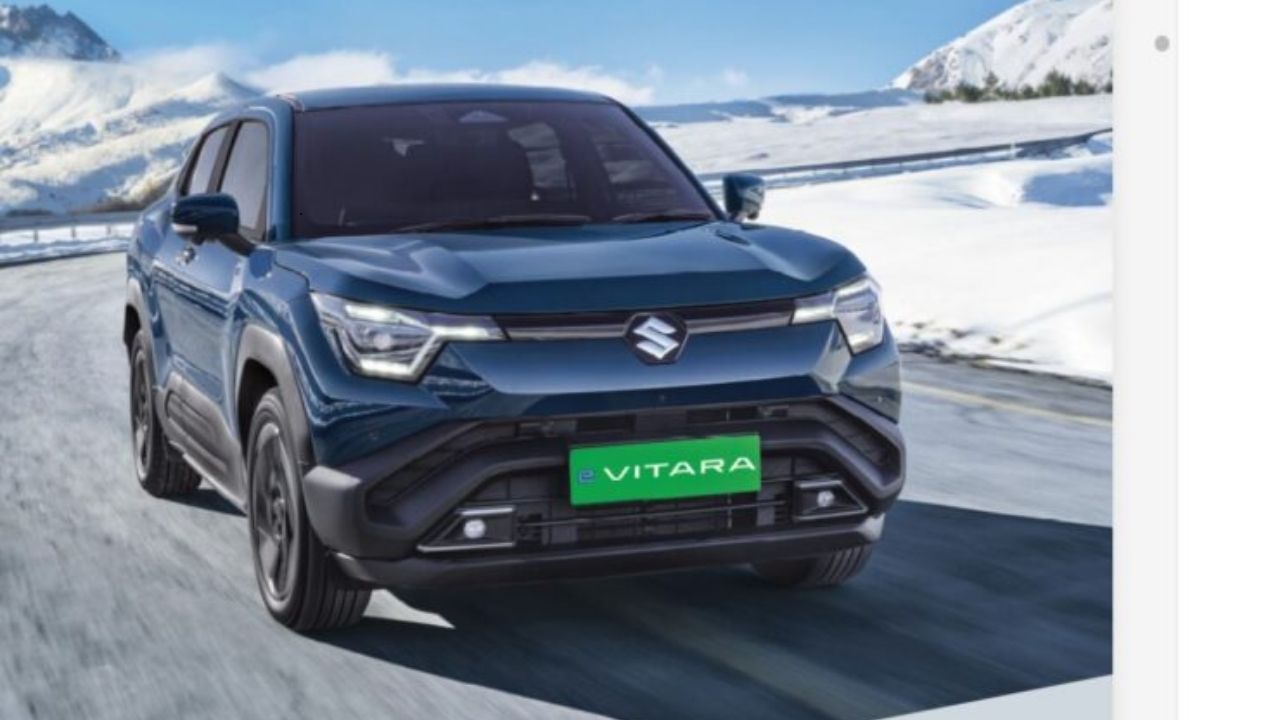
Maruti Suzuki closed March 2026 on a strong note, reinforcing its leadership position in the automotive market through consistent volume growth and a diversified product lineup. The company’s performance reflects evolving consumer preferences, with compact sedans, multipurpose vehicles (MPVs), and value-driven entry-level cars playing a crucial role in sustaining demand.
In March 2026, Maruti Suzuki recorded total sales of 1,66,219 units, marking a 10 percent year-on-year growth compared to 1,50,743 units during the same month in the previous year. On a month-on-month basis, the company achieved a 3 percent increase, demonstrating stable market demand at the close of the fiscal year.

The overall results highlight the brand’s ability to maintain high volumes while adapting to shifting consumer trends in affordability, fuel efficiency, and versatility.
Overall Performance: Stable Growth Across Key Segments
Maruti Suzuki’s March 2026 numbers reveal a well-balanced performance supported by strong demand across multiple vehicle categories.
Key Performance Metrics
- Total Sales (March 2026): 1,66,219 units
- Total Sales (March 2025): 1,50,743 units
- Year-on-Year Growth: 10%
- Month-on-Month Growth: 3%
The growth was largely driven by consistent performance from core models and improved demand in entry-level and mid-range segments.

While certain premium and niche models experienced declines, the overall sales structure remained resilient due to strong mass-market offerings.
Dzire Emerges as the Top-Selling Model
The compact sedan Dzire led the brand’s performance chart in March 2026, delivering the highest monthly sales among all models.
Sales Performance
- March 2026 Sales: 21,224 units
- March 2025 Sales: 15,460 units
- Year-on-Year Growth: 37%
- Month-on-Month Growth: 10%
The significant increase highlights the sustained demand for compact sedans that offer a balance of affordability, comfort, and fuel efficiency.
Why Dzire Continues to Dominate

The Dzire’s strong performance reflects several market advantages:
- Competitive pricing strategy
- Reliable fuel economy
- Comfortable cabin space
- Broad appeal across private and commercial users
Compact sedans remain popular among customers seeking dependable daily mobility without compromising comfort.
Ertiga Maintains Consistency in the MPV Segment
The Ertiga continued its reliable performance, maintaining strong volumes in the MPV category.
Sales Performance
- March 2026 Sales: 17,072 units
- March 2025 Sales: 16,804 units
- Year-on-Year Growth: 2%
- Month-on-Month Change: -4%
Although the annual growth remained modest, the model continues to hold a strong position among family-oriented buyers.
MPV Demand Remains Stable
The Ertiga’s popularity reflects ongoing demand for:
- Spacious interiors
- Multi-passenger capability
- Affordable ownership
- Versatile usage for both personal and commercial purposes
MPVs remain a practical choice for households prioritizing functionality and long-term value.
WagonR and Baleno Drive Volume Stability
The WagonR and Baleno played key roles in maintaining Maruti Suzuki’s strong monthly volume.
WagonR Performance
- March 2026 Sales: 17,025 units
- Year-on-Year Change: -1%
- Month-on-Month Growth: 14%
The WagonR continues to serve as a core model in the entry-level segment, appealing to cost-conscious buyers.
Baleno Performance
- March 2026 Sales: 16,392 units
- March 2025 Sales: 12,357 units
- Year-on-Year Growth: 33%
- Month-on-Month Growth: 12%
Baleno’s strong growth reflects rising interest in premium hatchbacks offering advanced features and refined driving experiences.
Brezza and Fronx: Mixed Trends in the SUV Segment
SUV demand remains strong across the industry, but individual model performance showed varied results.
Brezza Performance
- March 2026 Sales: 16,130 units
- March 2025 Sales: 16,546 units
- Year-on-Year Change: -3%
- Month-on-Month Change: -10%
Despite the decline, Brezza remains a significant contributor to overall SUV sales.
Fronx Performance
- March 2026 Sales: 15,540 units
- March 2025 Sales: 13,669 units
- Year-on-Year Growth: 14%
- Month-on-Month Growth: 12%
The Fronx demonstrated sustained growth, indicating rising demand for compact crossover-style vehicles.
SUV Segment Insights
SUV buyers increasingly prioritize:
- Elevated driving position
- Modern styling
- Enhanced safety features
- Improved practicality
These factors continue to drive long-term growth in the SUV category.
Swift Faces Decline While Entry Models Strengthen
The Swift, traditionally one of the brand’s strongest performers, recorded a noticeable decline.
Swift Performance
- March 2026 Sales: 14,545 units
- March 2025 Sales: 17,746 units
- Year-on-Year Change: -18%
- Month-on-Month Change: -2%
The decline may reflect shifting consumer preferences toward SUVs and crossovers.
Alto Shows Positive Growth
In contrast, the Alto delivered encouraging performance.
- March 2026 Sales: 11,515 units
- Year-on-Year Growth: 17%
- Month-on-Month Growth: 18%
Entry-level vehicles remain essential for first-time buyers and cost-sensitive households.
Victoris Debuts with Strong Initial Response
The recently introduced Victoris demonstrated promising early performance in March 2026.
Sales Performance
- March 2026 Sales: 11,062 units
- Year-on-Year Comparison: New model
- Month-on-Month Change: -15%
Despite being a new entrant, the model achieved substantial volumes, indicating strong consumer curiosity and early adoption.
What Makes New Launches Important
New models play a critical role in:
- Refreshing brand appeal
- Attracting younger buyers
- Expanding product portfolios
- Enhancing competitiveness
Successful product launches can significantly influence long-term sales trends.
Grand Vitara Decline Reflects Competitive Pressure
The Grand Vitara recorded one of the most noticeable year-on-year declines.
Sales Performance
- March 2026 Sales: 6,746 units
- March 2025 Sales: 10,418 units
- Year-on-Year Change: -35%
- Month-on-Month Growth: 15%
The improvement from February suggests potential recovery momentum, but annual figures highlight competitive challenges.
Factors Behind the Decline
Possible reasons include:
- Increasing competition in the midsize SUV segment
- Expanding alternative model choices
- Market repositioning strategies
Competitive differentiation remains essential for sustaining long-term relevance.
Other Models Deliver Mixed Results
Several additional models delivered varied performances during March 2026.
Notable Performances
- XL6: 3,959 units (28% YoY growth)
- Jimny: 656 units (151% YoY growth)
- Eeco: 11,333 units (9% YoY growth)
- Celerio: 1,353 units (-40% YoY)
- Ignis: 1,250 units (-34% YoY)
- S-Presso: 226 units (-87% YoY)
- Invicto: 191 units (-35% YoY)
The Jimny, despite lower volumes, recorded the highest percentage growth, indicating growing interest in niche lifestyle vehicles.
Segment Trends: Entry-Level and Utility Vehicles Remain Vital
March 2026 reaffirmed the continued relevance of entry-level and utility vehicles in driving total volumes.
Market Dynamics
Key segment trends include:
- Strong demand for affordable cars
- Rising interest in compact crossovers
- Increasing acceptance of MPVs
- Continued shift toward versatile mobility solutions
Affordability remains a decisive factor in shaping purchase decisions.
Strategic Outlook: Preparing for Future Mobility
Looking ahead, Maruti Suzuki appears focused on strengthening its portfolio across emerging mobility segments.
Future Direction
Potential focus areas may include:
- Expansion of compact SUV offerings
- Development of electrified powertrains
- Enhancement of premium features
- Strengthening of entry-level vehicle lineup
These strategies align with broader industry trends toward sustainability and innovation.
Conclusion: Sustained Leadership Through Diversification
Maruti Suzuki’s March 2026 performance reflects a well-diversified product lineup capable of delivering consistent results across varied market segments.
The Dzire’s strong leadership, Ertiga’s reliability, Baleno’s growth momentum, and Victoris’s promising debut collectively demonstrate the brand’s adaptability in an evolving market landscape.
While certain models faced pressure from changing consumer preferences, the overall portfolio strength enabled the company to achieve steady year-on-year growth.
As the automotive industry moves toward electrification, smarter technology, and diversified mobility solutions, Maruti Suzuki’s balanced strategy positions it strongly for sustained expansion in the coming years.